Industrial 3D printers: the machines that print money — yours
Published · Researched 2026-09-21
Five machines, five different processes, and one uncomfortable truth: in this category, the printer is the cheapest part of the purchase. The real invoice is the materials contract, the workflow around the machine, and the vendor's future — and in 2026, at least one of those vendors is mid-acquisition with the deal still unclosed. These are tools for people with a real, narrow, repeated need: end-use nylon parts by the hundred, resin prototypes on a business clock, boards that must exist today, fiber parts that replace aluminum. If you don't have that need, half the processes on this list you don't buy — you rent by the part.
One more disclosure: this is the thinnest-evidenced category in the whole project. Two of these five machines have no independent owner voice anywhere online — only manufacturer pages, resellers, and press.
Sharp line: you don't buy a printer here — you buy a materials contract, a workflow, and the vendor's future. Budget for all three.
Who should buy what
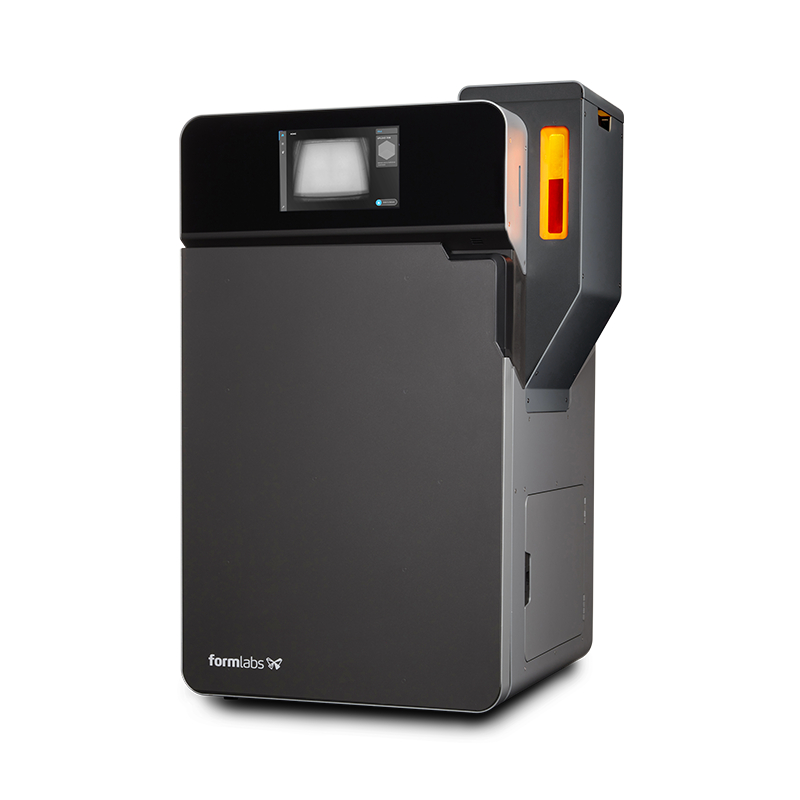
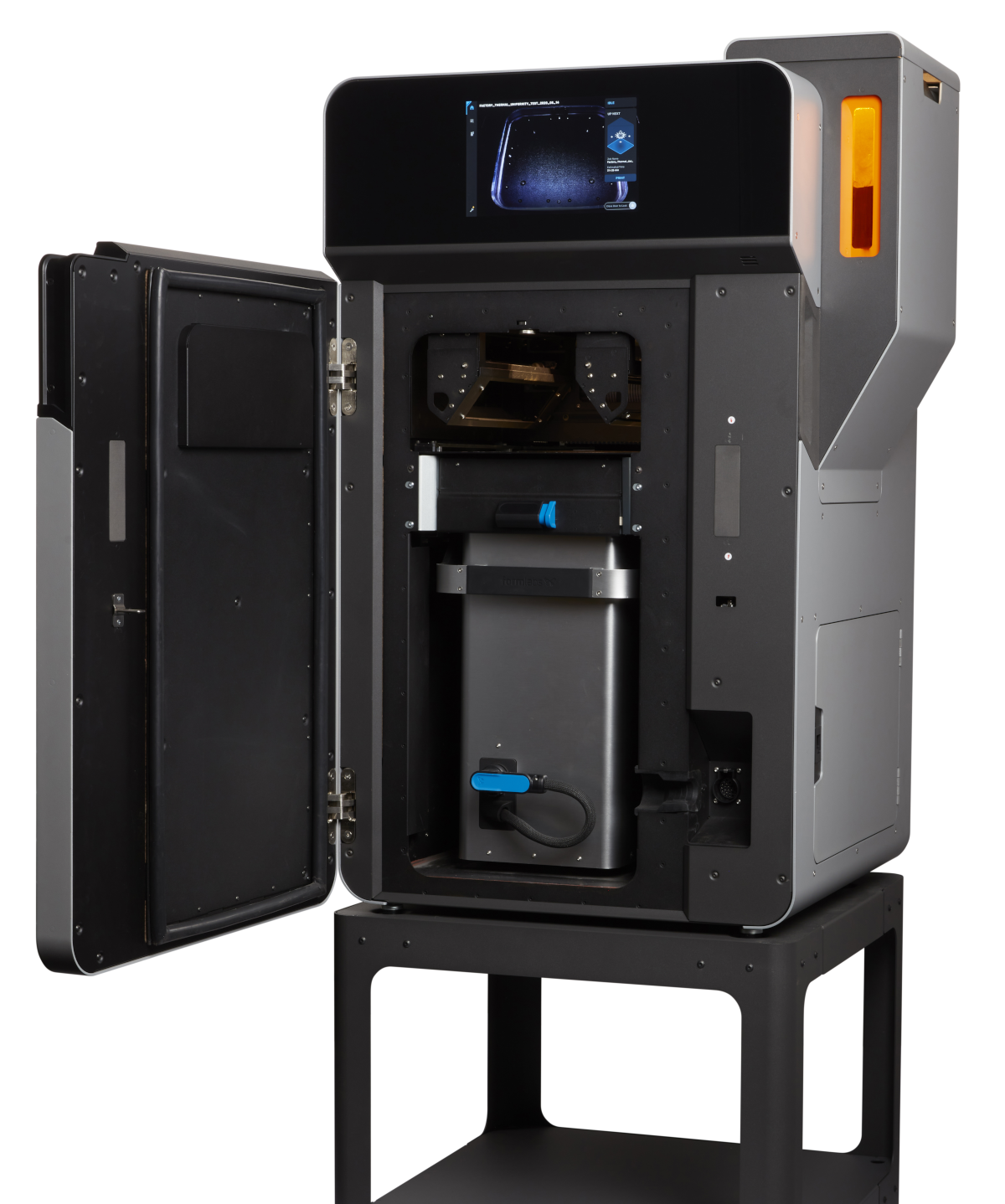
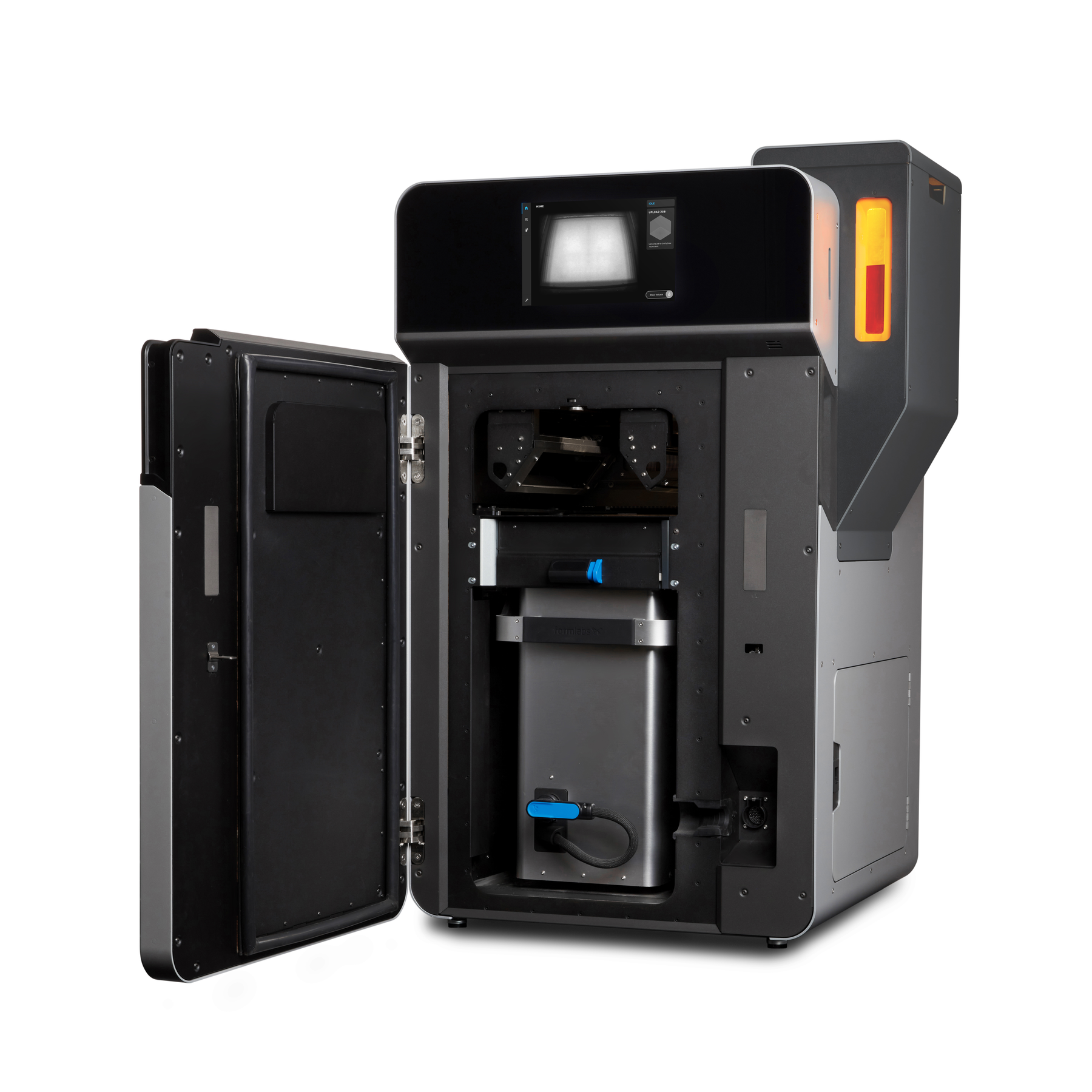
"I need functional nylon parts regularly, and I want to own the process" → Formlabs Fuse 1+ 30W
The most evidence-backed pick in the category. A 3dprint.com owner-reviewer ran thousands of hours across Fuse 1+ units and called it "one of the most reliable printers I have come across" — zero parts replaced, zero downtime, complex parts at about $1.15 each in dense builds. For end-use parts in the hundreds per year, this is the buyable route into SLS.
The brochure number is fiction. The "starter package" is $29,499 (Formlabs, Sept 2026); the working ecosystem — starter plus automated depowdering and media blasting — is $57,442. The Fuse Sift station ($9,999) is effectively required at real volume, owners insist a blasting cabinet is essential for finish, and every build costs you cooling time plus manual depowdering labor. Powder is the running cost: Nylon 12 at $99/kg with a 30% refresh floor. The lock-in trap has a number on it: the Fuse 1's Open Material Mode license is reported at nearly €14,000 — "more than the launch price of the printer itself." Budget the ecosystem, not the starter number.
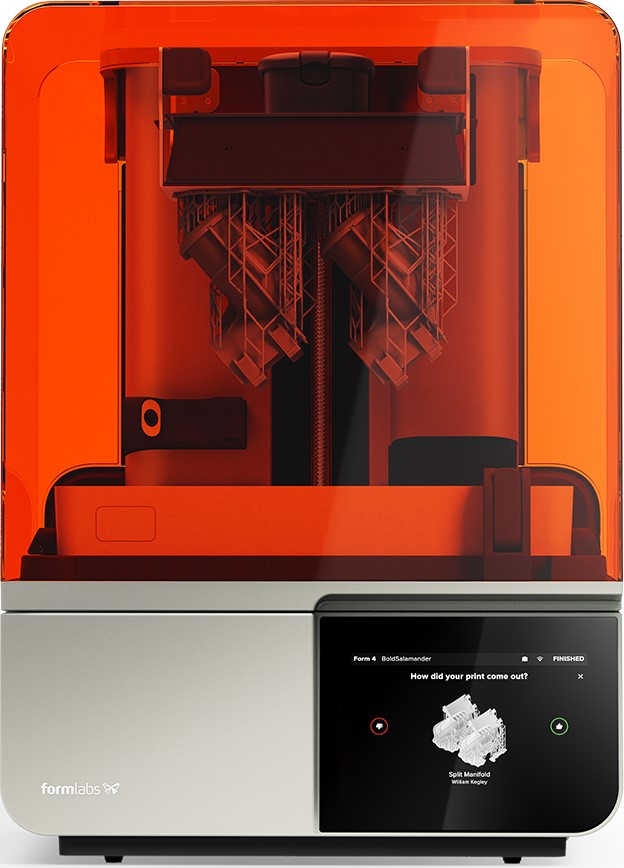
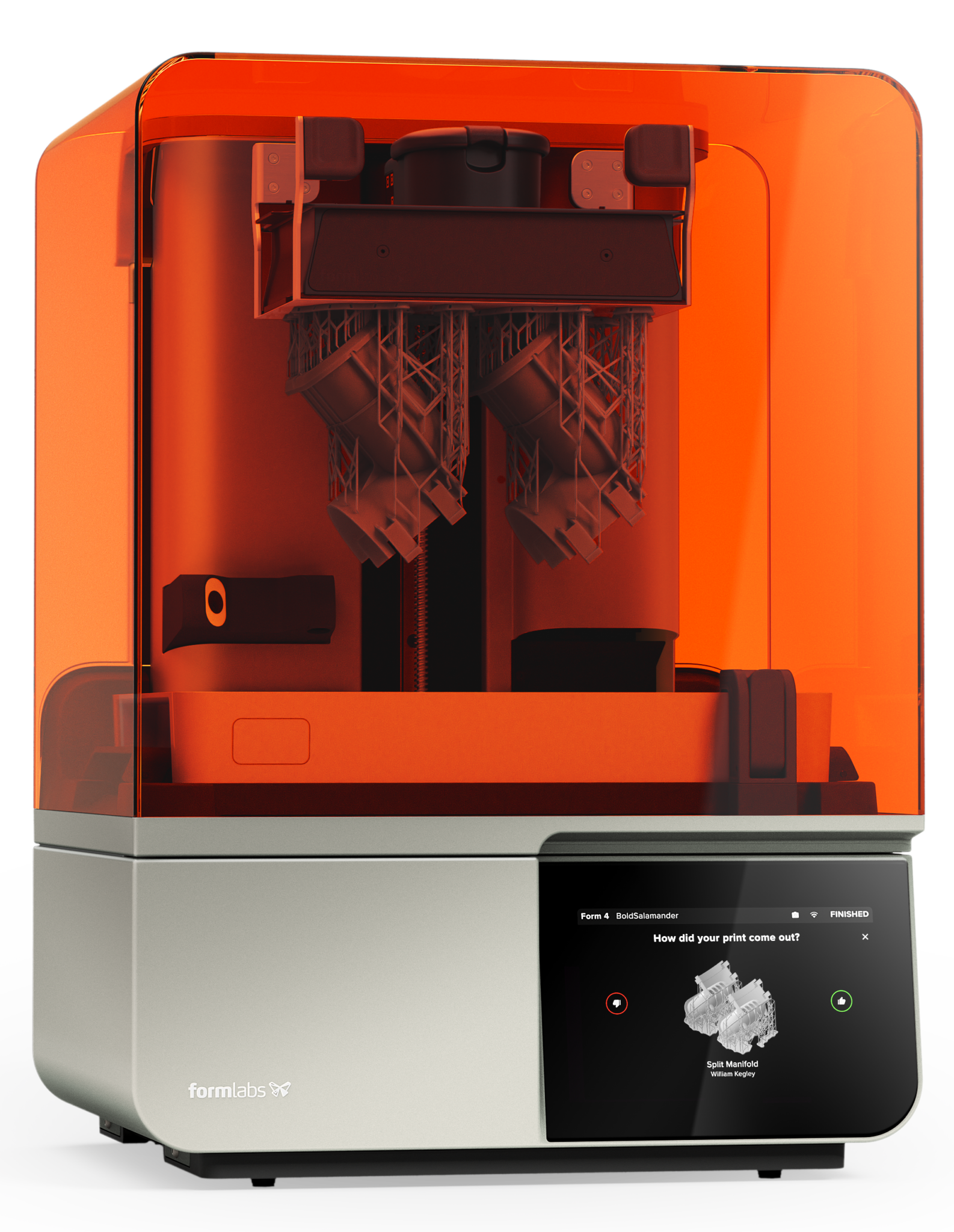
"My business needs high-detail resin parts fast, with no tinkering" → Formlabs Form 4
Tom's Hardware called it "a great tool for businesses who need perfect parts... don't have time to waste on tinkering." At $3,499 for the Basic package (MatterHackers, Sept 2026), resins at $79/L, and a ~$875 lifetime Open Material Mode license (2026) answering the old lock-in complaint, the value equation is better than it looks.
The tradeoffs: 50 µm pixels versus the older Form 3's 25 µm laser spot — detail-first shops should compare before buying. Post-processing is effectively mandatory (Complete package with Wash and Cure is $6,589), and anything over 200 × 125 × 210 mm means the Form 4L at $7,125. FauxHammer's verdict draws the boundary line: "brilliant, expensive, and almost certainly not for miniatures." The Form 4 is a business tool, not a hobbyist upgrade.
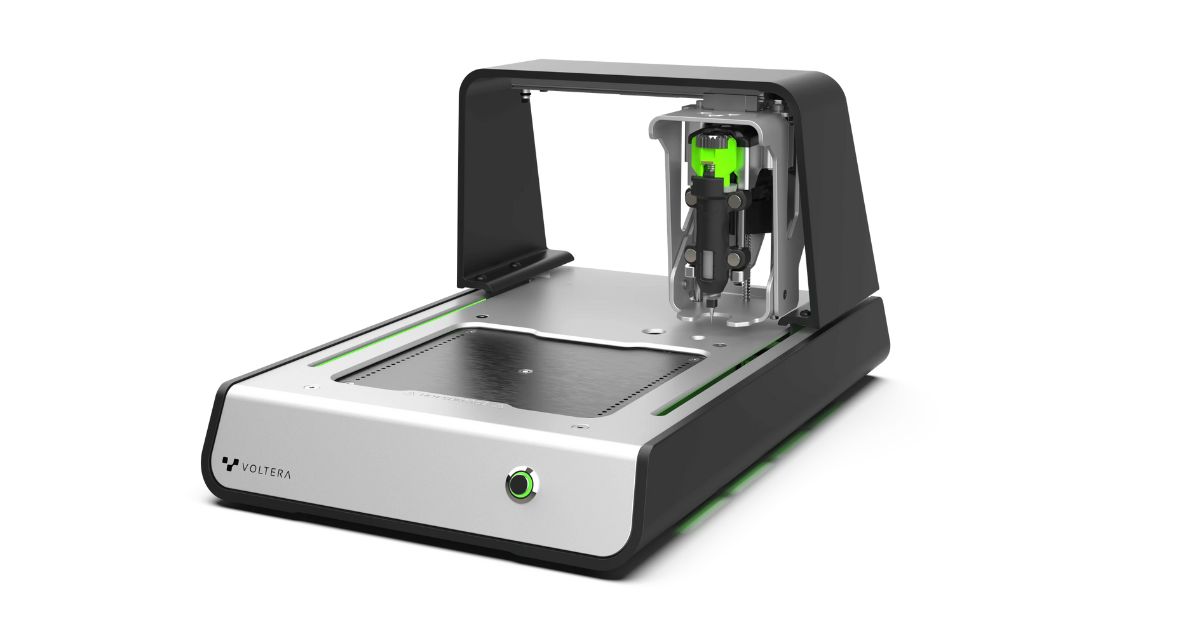
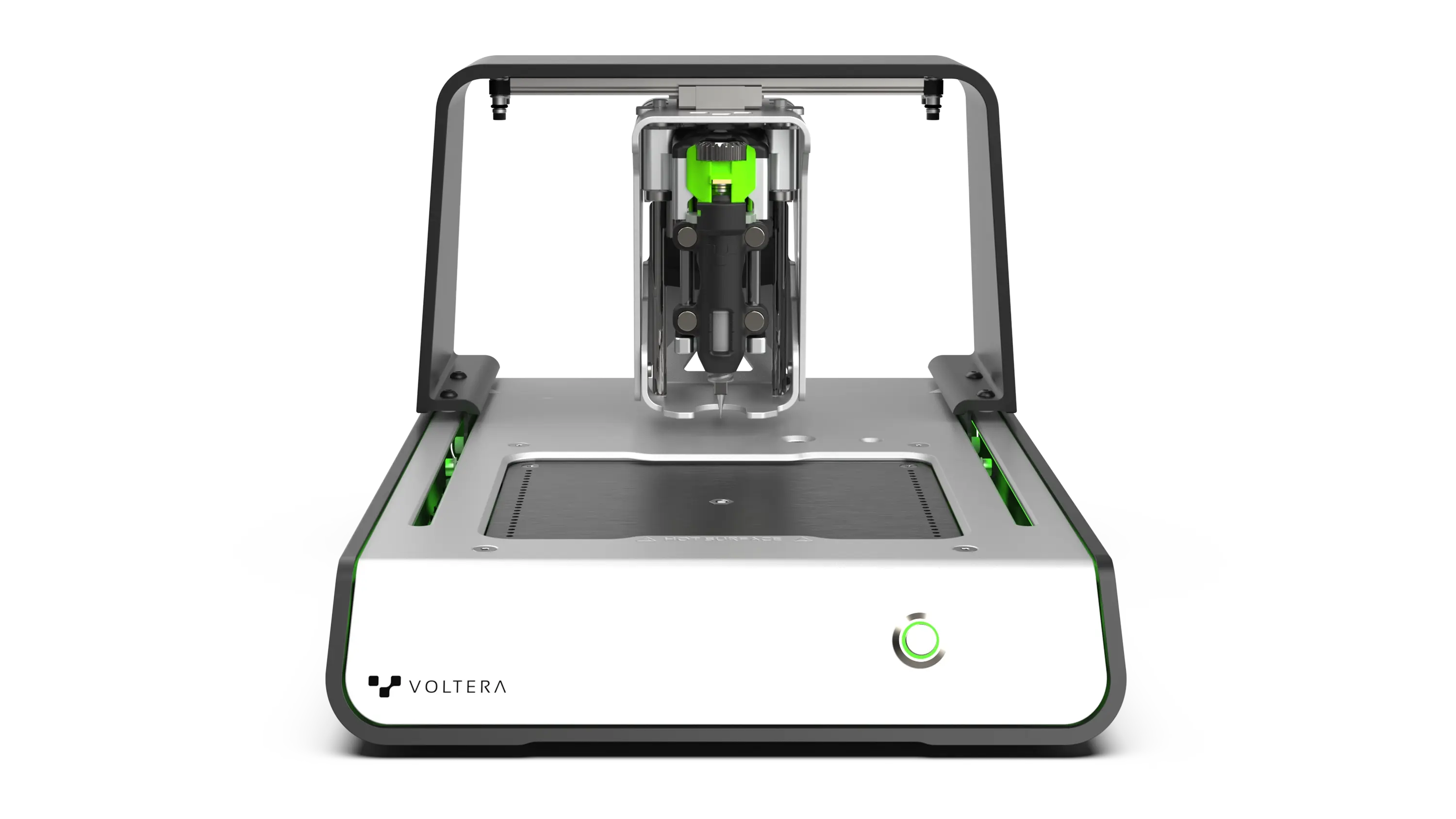
"I design boards and need them today, with the IP staying in-house" → Voltera V-One
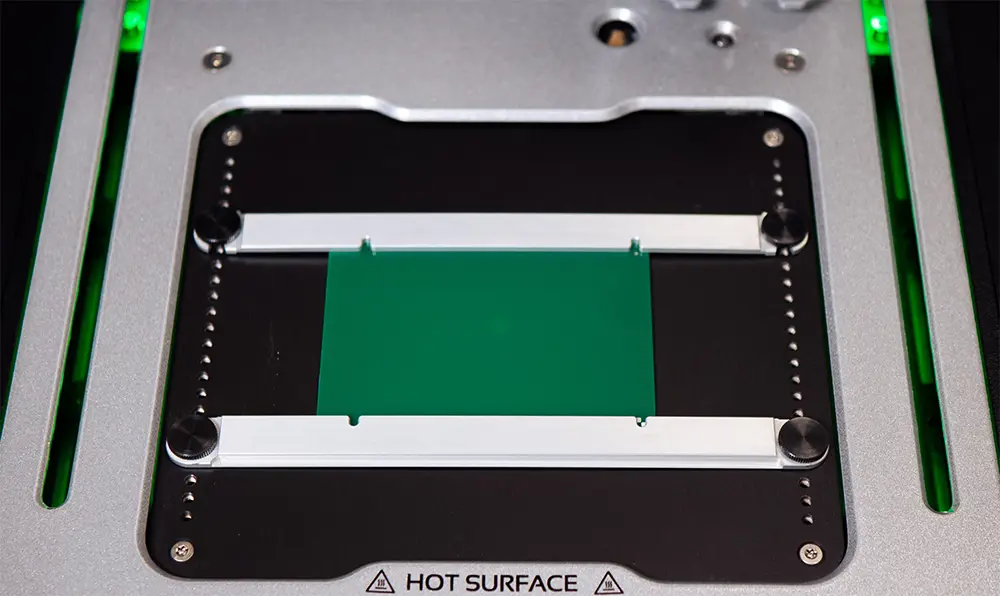
The maker verdict has held for a decade: the machine works as advertised. Gerbers in, functional two-layer prototype board out in about an hour; the stencil-free solder paste dispensing plus built-in reflow is the feature users say gets the most real-world use. From $3,499.99 (voltera.io store, Sept 2026), drill $799.99 extra.
The honest limits, repeated across Hackaday, EEVBlog, and owner forums: vias are riveted, never truly plated; 0.8 mm pin-to-pin pitch for ink; traces can't run to the board edge; ink and paste must be refrigerated and expire; one owner report describes probe glitches snapping $15 nozzle tips. And the economics are the whole argument — as an EEVBlog poster put it, "you can get a lot of boards manufactured and express shipped for that price." Buy only if same-day iteration or IP control is the job; support quality is unverified.
"I need fiber-reinforced parts or metal in-house" → wait.
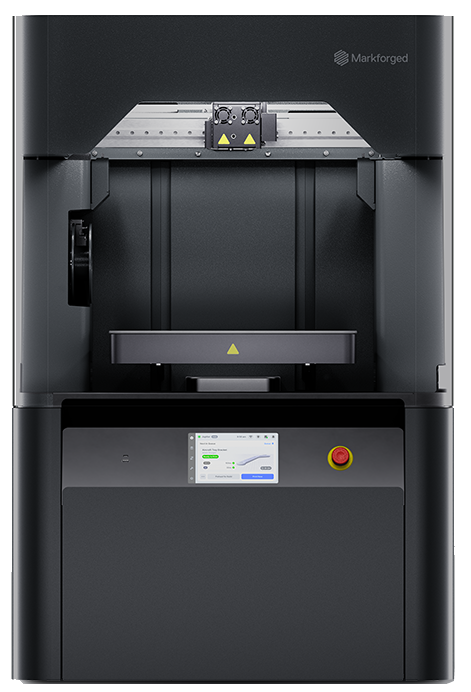
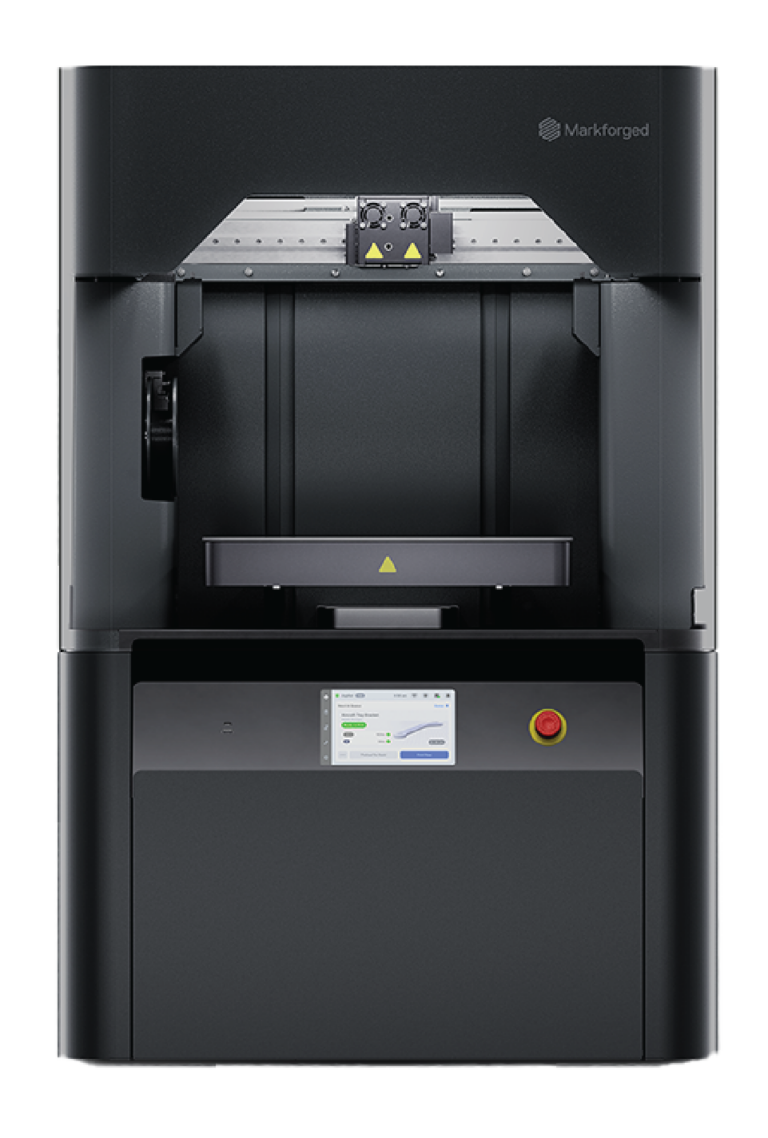
Here's the honest "none right now." The Markforged FX10 ($99,990 composite system at Wurth Additive Group, the only public US figure found) prints continuous-fiber parts plus bound-powder metal via a swappable Metal Kit. But nearly every capability claim traces to the manufacturer or manufacturer-adjacent sources, and no independent FX10 owner voice exists anywhere — not on Reddit, not in the 2,000-member Markforged user group, nowhere.
Then the corporate overhang: Nano Dimension bought Markforged in April 2025; Stratasys agreed to buy it from Nano Dimension for $42.5M in May 2026, and as of 2026-09-21 the close is unconfirmed. On a $100k machine you don't accept "probably fine" — get written warranty/service confirmation before spending anything. And "the world's first industrial metal and composite printer" hides a three-box reality: the FX10 prints a green part, which must be debound in a Wash-1 and sintered in a Sinter-1 or -2 (26–31 hour cycles) — a full metal bundle lists around $240k USD equivalent in Poland, with guardrails marketing skips (bed-time limits, mass-loss gates, sinter-run weight caps). Wait until the acquisition closes and a real owner reviews it. And at ~$3/cc for carbon fiber, in-house wins only at real volume or when lead time is the constraint.
"My office needs FDM prototypes that just work, no tinkering" → Stratasys F120, cautiously.
The professional reputation is real: resellers describe first-print success in non-specialist hands, and Pick3DPrinter scored it 8.1/10. Enclosed, heated chamber, soluble supports, GrabCAD workflow, no bed leveling.
But this file has the weakest evidence base in the project: not a single independent owner voice found anywhere — everything traces to Stratasys, its resellers, and a 2020 expert review. Pricing is quote-only everywhere; the first concrete 2026 numbers are overseas listings (~$15k UAE, ~$12k India). Stratasys's support center files the F120 under "FDM Legacy" — a mature/maintenance phase. Materials are the TCO driver: ABS-M30 at $784 per 200ci box. Buy only through a reseller who puts parts, materials, and firmware-update commitments in writing. The safest recommendation in industrial FDM is also the least verifiable right now.
The traps
The "metal printer" that isn't one box. The FX10's headline buries the Wash-1 and Sinter furnace. Budget the full ~$240k workflow — plus the process discipline marketing skips.
The starter-price illusion. The Fuse 1+ at $29,499 is a machine; the Fuse 1+ at $57,442 is a workflow. The Sift, the blast cabinet, the powder, the extra chamber — none of it is optional at production volume.
The lock-in fee with a name on it. Open Material Mode pricing tells you the business models: Form 4's is ~$875 lifetime; Fuse 1's is ~€14,000, "a strategic weapon, not a fee" per an owner, with migration threads already running. On the FX10, chipped spools and Eiger mean no third-party materials at any price.
Buying when you should be renting. SLS break-even against bureaus ($10–60/part) is in the hundreds of parts per year; the V-One loses to board houses unless same-day iteration is the point; FX10 fiber at $3/cc loses to a machine shop unless lead time is the constraint. And limbo machines: the F120 sits under "FDM Legacy" and the FX10 changes hands mid-2026 — get written service and materials commitments before signing.
The fine print
Running costs, dated September 2026: Onyx $190/800cc ($0.24/cc), carbon fiber ~$3/cc, Nylon 12 powder $99/kg with a 30% refresh floor, ABS-M30 $784/200ci coil box. Support-material pricing for the F120 is unverified; Digital Forge subscriptions, Success Plan extensions, and service contracts are all quote-only. Process fine print: SLS needs a dedicated 15A circuit and every build costs you cooling time plus manual depowdering labor; FX10 metal runs 26–31-hour sinter cycles with strict mass-loss and batch gates; the Form 4's 98.7% print-success figure is a vendor-commissioned white paper, directional at best. The throughline: chipped spools, chipped tanks, licensed material modes. These vendors sell subscriptions with a printer attached.
The bottom line
Buy now: the Fuse 1+ 30W for functional nylon in-house (budget the $57k ecosystem), the Form 4 for business resin (with the ~$875 Open Material Mode in your math), the V-One for same-day boards if your iteration rate justifies it. Wait: the FX10 until the Stratasys acquisition closes and a real owner reports back; the F120 unless a reseller commits to support in writing. The one sentence I'd give a friend: only buy the machine if your parts can't wait for a service bureau — and then budget the workflow, not the brochure price.
Sources
- arkinfo.in — retrieval date not recorded
- applicadindonesia.com — retrieval date not recorded
- formlabs.com — retrieval date not recorded
- fauxhammer.com — retrieval date not recorded
- tomshardware.com — retrieval date not recorded
- develop3d.com — retrieval date not recorded
- store.proto3000.com — retrieval date not recorded
- additive-x.com — retrieval date not recorded
- 3dprint.com — retrieval date not recorded
- formlabs.ib-caddy.com — retrieval date not recorded
- mark3d.com — retrieval date not recorded
- gsc-3d.com — retrieval date not recorded
- staging.awmiller.com — retrieval date not recorded
- 3dprintingindustry.com — retrieval date not recorded
- d2n4wb9orp1vta.cloudfront.net — retrieval date not recorded
- 3dprintingjournal.com — retrieval date not recorded
- matterhackers.com — retrieval date not recorded
- voltera.io — retrieval date not recorded
- voltera.io — retrieval date not recorded
- voltera.io — retrieval date not recorded