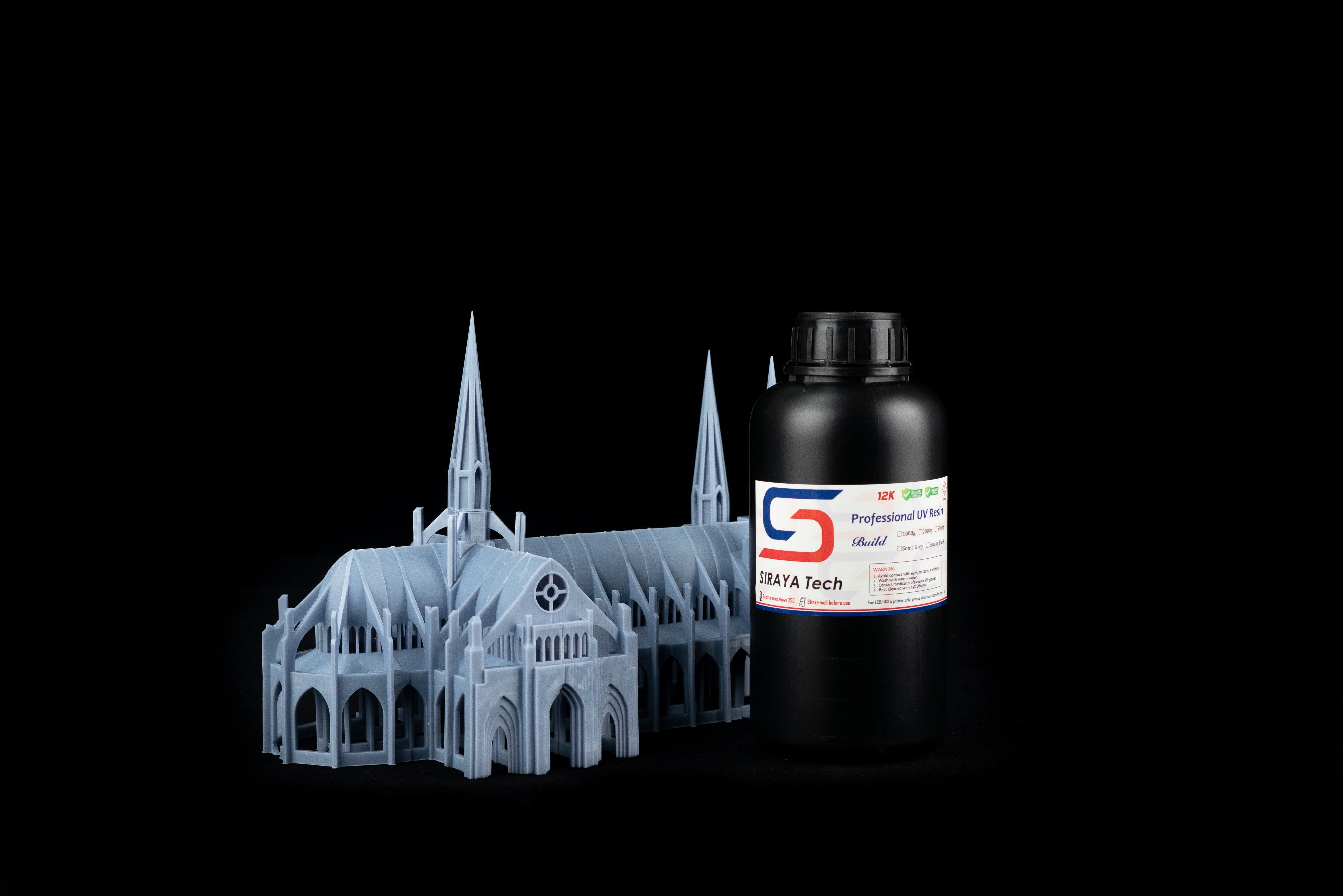
Resin materials overview
Published · Researched 2026-09-20
This is the map, not the territory. Resin printing — MSLA, the vat-and-UV kind — is a different hobby wearing the same name as FDM. The families: standard resin (cheap, detailed, brittle — the default), ABS-like/tough (the durability upgrade), water-washable (IPA-free cleanup, formulation-dependent brittleness), and the engineering sub-families — flexible (Siraya Tenacious and friends, for blending toughness), high-temp (Siraya Sculpt, molds and tooling), castable (jewelry burnout). Each now has its own dedicated review in this batch; this overview is the survey-level guide with the safety section every resin beginner needs and most skips. Read it once, then go read the family you're actually buying.
The economics first, because they surprise FDM converts: resin is priced per kilogram but consumed per print with real waste — supports, failed prints, the film of resin you wash off every part. Observed 2026-09-20: Anycubic ABS-Like V2 at $18.99–21.99/kg is the budget tough-resin entry, Elegoo's ABS-like line sits in the same band, Siraya Tech Blu at $39.99/kg is the proven tough pick, and Tenacious at $34.99/500 g is the flexible additive everyone actually buys for blending. Standard resin runs cheaper than all of these. The honest math: a liter of resin prints fewer finished parts than a kilo of filament prints, because supports and wash losses are structural to the process. Budget 20–30% waste on top of the part volume, more while you're learning.
What's genuinely good about resin as a category: detail that FDM can't touch — layer lines measured in tens of microns, miniatures and jewelry and dental models that look manufactured. ABS-like resins genuinely close the durability gap that made early resin prints into shelf ornaments; the TweakReviews comparative test found ABS-like more durable than standard in drop testing. Water-washable resins genuinely eliminate the IPA fire-hazard-and-fumes loop for people who can't ventilate a solvent station — and the same test found one water-washable formulation relatively flexible, so the "water-washable is always brittle" line needs qualifying as formulation-dependent. The engineering sub-families are real tools: Tenacious blended into brittle resin produces genuinely tough parts (it's the community's open secret), high-temp resins survive mold vulcanization, castable resins burn out cleanly for jewelry. The category has matured past "toys for miniatures people" into a legitimate prototyping process.
What's actually wrong is the part nobody Instagrams. Resin is toxic before it's cured, and the safety overhead is the real price of admission. Uncured resin is a skin sensitizer — gloves every time, no exceptions, and nitrile, not latex. Fumes need ventilation; some resins (Siraya Blu is specifically called out as strong-smelling) are genuinely unpleasant. IPA wash stations are a fire hazard that belongs away from the printer. None of this is exotic — it's the same precautions any hobbyist chemistry requires — but the failure mode is cumulative sensitization: the person who prints gloveless for a year can develop an allergy that ends the hobby. The second honest problem: "ABS-like" is a marketing label, not a material equivalence. The TweakReviews drop test is the reality check — ABS-like beat standard, but none of the figures survived repeated table-height drops. If you need injection-molded-ABS toughness, you need SLS nylon or actual ABS, not a resin with "ABS" in the name. Third: the workflow has more failure points than FDM — exposure calibration, support strategy, wash time, cure time, and orientation all interact, and under-cured parts stay toxic and weak while over-cured parts go brittle. Fourth: Elegoo Rapid Standard earned the test's clear reject — stronger smell, harder to use, fragile — which is a reminder that the budget tier has a floor, and it's lower than the price suggests.
Who should skip resin entirely: anyone who can't do the safety setup (no ventilated space, kids or pets in the print area, unwillingness to wear gloves and handle IPA responsibly); anyone whose parts are functional brackets and housings (FDM with PETG or ASA is cheaper, tougher, and safer); anyone expecting FDM-style "slice and walk away" reliability — resin demands calibration and post-processing labor on every print. Also: if you're choosing between resin families and the part just needs to not shatter when dropped, skip standard and water-washable and go straight to ABS-like or a Tenacious blend — the small price premium buys the only property that matters.
The social pulse is Reddit/YouTube/Discord-shaped, and that's worth stating plainly because this project's social-first method undercovers resin on the Facebook layer. r/resinprinting is where the calibration questions get answered, YouTube hosts the comparative tests (TweakReviews' Elegoo test is the most useful independent data found), manufacturer Discords are where the exposure-setting arguments happen, and Britmodeller-style forums hold the experienced-owner guidance (Siraya Blu: strong but smelly; Tenacious: the flexible additive that works). The shape of the debate is mature: nobody serious claims resin replaces FDM for functional parts, and the "ABS-like" naming overpromise is something the community actively warns newcomers about. Eight FB keyword queries returned nothing — not because resin is unpopular, but because resin people aren't on Facebook. Method note, recorded honestly.
Value call, per-kilo ladder, observed 2026-09-20: Anycubic ABS-Like V2 $18.99–21.99/kg — the budget tough pick, best value in the category. Elegoo ABS-like — same band, pick by sale. Siraya Tech Blu $39.99/kg — the proven tough resin, worth it for parts that must survive. Siraya Tenacious $34.99/500 g — buy it to blend, not to print straight (unless you want gummy). Standard resin — cheapest, for display pieces that never get handled. The honest total: a $20 bottle of resin plus gloves, IPA, a wash-and-cure station, and ventilation. The bottle is the cheapest part of resin printing, same as every other material in this project.
The tradeoff: resin buys detail and surface finish that FDM can't reach, at the cost of a chemistry-lab workflow, real toxicity overhead, and toughness that still doesn't match its marketing names. Pick the family by the part's actual job — standard for shelf pieces, ABS-like or Tenacious blends for handled parts, engineering sub-families for molds and casting — and never let the word "ABS-like" do more work than the drop test says it does.
Sources
- elegoo.com — retrieval date not recorded
- siraya.tech — retrieval date not recorded
- c.cdnmp.net — retrieval date not recorded